
Specialized Care
Specialized Post-Operative Rehabilitation
We offer advanced rehabilitation programs for patients recovering from orthopedic surgery. Each post-operative plan is customized to your surgeon’s protocol, your healing timeline, and your functional goals.
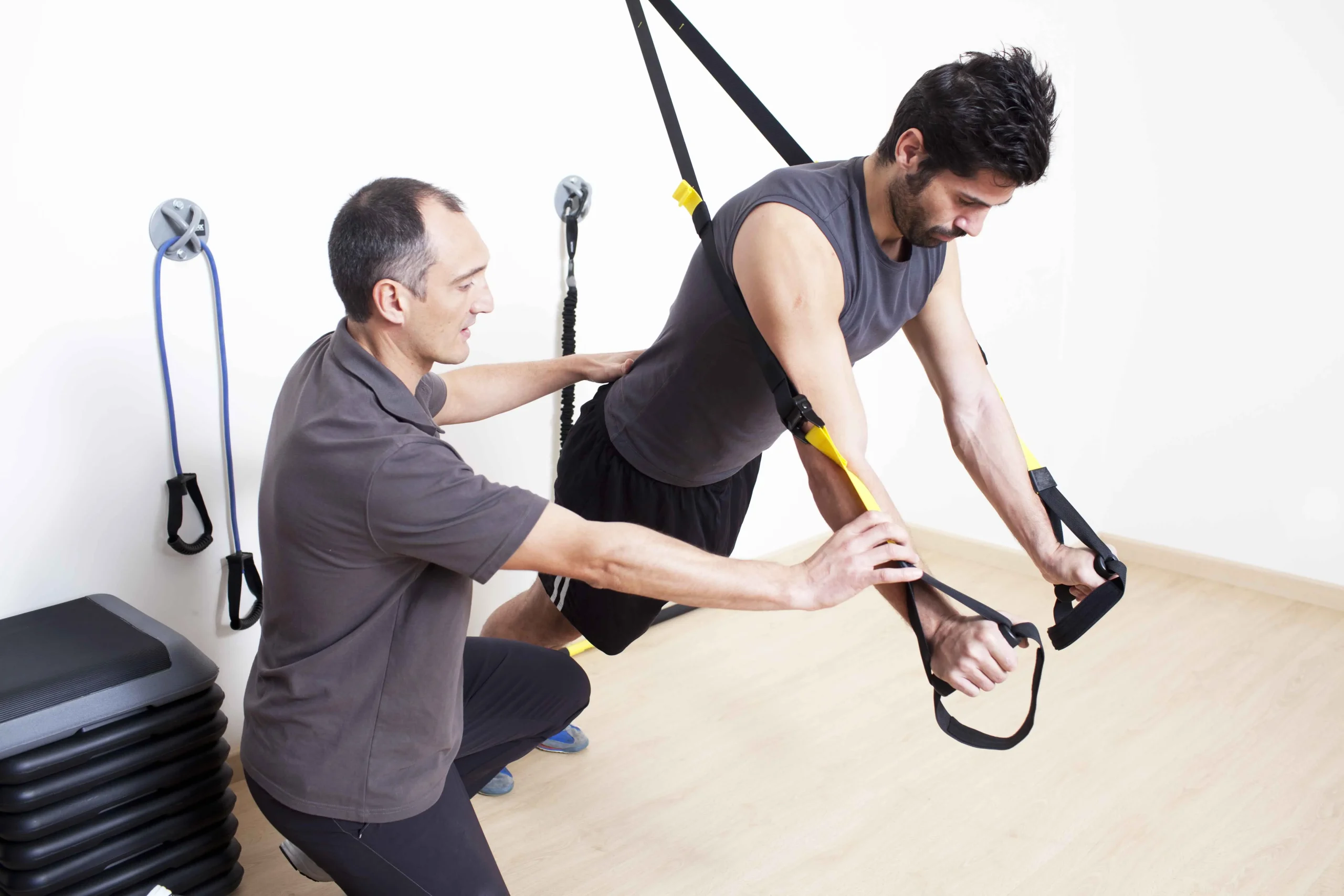
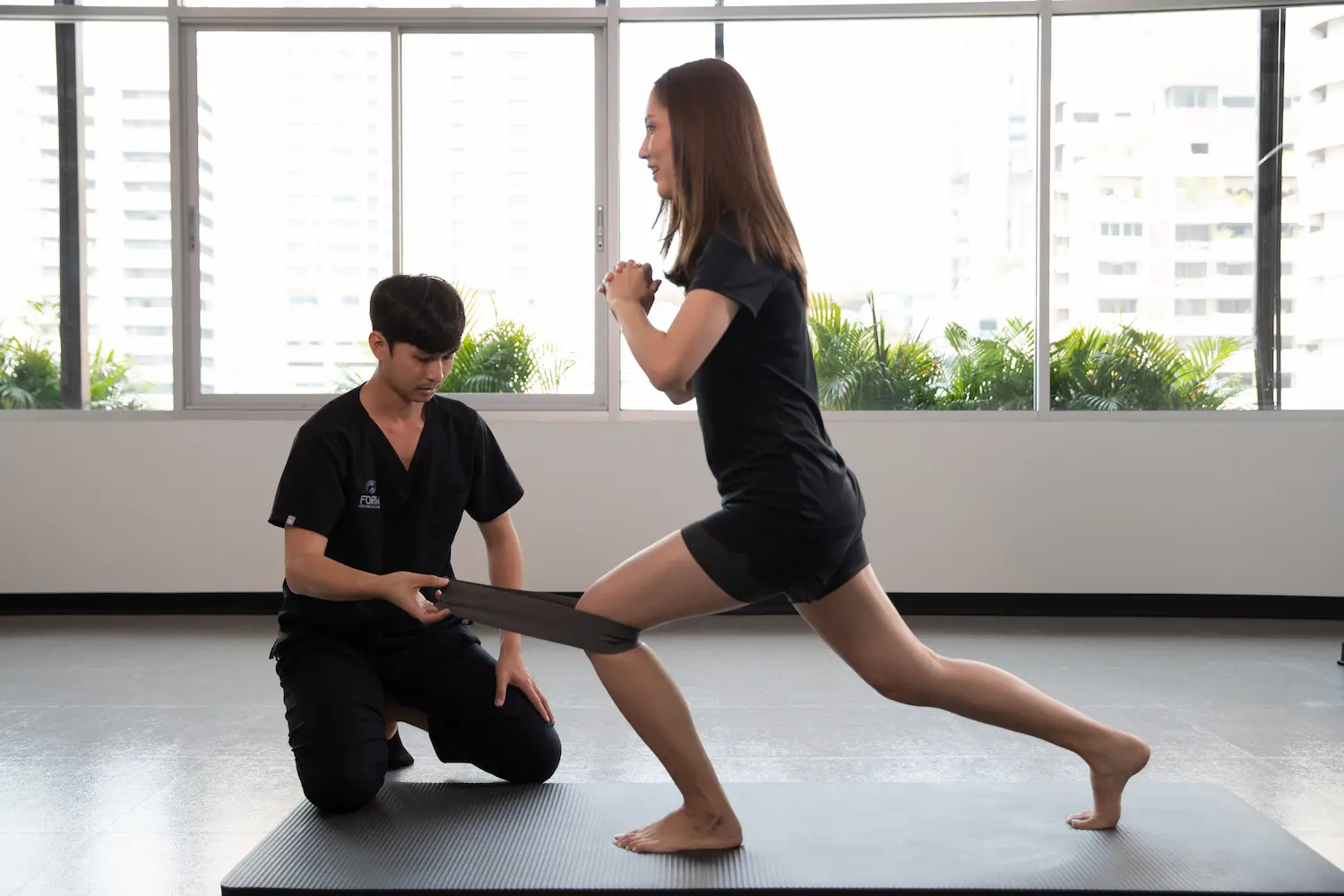
ACL Post-Operative Rehabilitation
Comprehensive rehabilitation following ACL reconstruction focused on restoring knee mobility, strength, stability, and neuromuscular control. Treatment progresses through all phases of recovery to support a safe return to daily activities, sports, and higher-level movement.
ACL post-operative rehabilitation is guided by clinical practice guidelines (CPGs) to ensure a safe, structured, and evidence-based recovery. Care focuses on protecting the surgical graft while progressively restoring knee range of motion, reducing swelling, and improving quadriceps activation in the early phases. As healing progresses, treatment advances to strengthening, neuromuscular control, and functional movement training. Later phases emphasize dynamic stability, agility, and return-to-activity preparation, with progression based on objective measures and patient tolerance to support optimal outcomes and minimize re-injury risk.
Total Hip Replacement Post-Operative Care
Targeted rehabilitation to restore walking ability, hip strength, balance, and functional independence following total hip replacement. Emphasis is placed on safe movement strategies, pain management, and a gradual return to normal activity.
Total hip replacement post-operative rehabilitation is guided by established clinical practice guidelines (CPGs) to promote safe and effective recovery. Early treatment emphasizes pain and swelling management, restoration of functional mobility, and education on movement precautions as indicated. As healing progresses, therapy focuses on improving hip range of motion, strengthening surrounding musculature, enhancing balance, and normalizing gait patterns. Progressive functional training is incorporated to support a safe return to daily activities, with progression based on patient tolerance, functional milestones, and evidence-based outcomes.
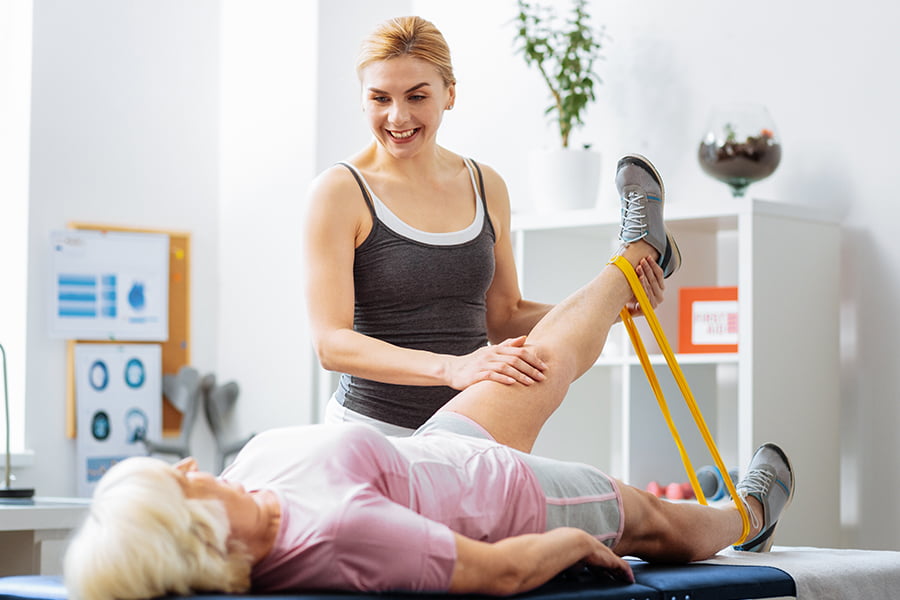
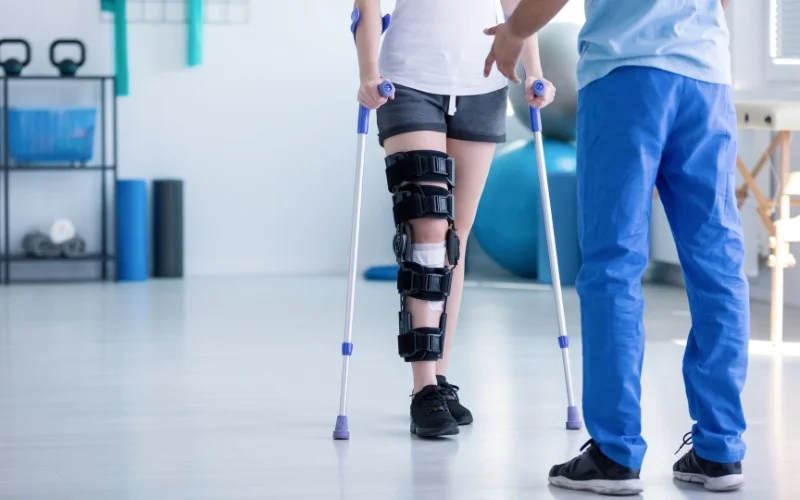
Total Knee Replacement Post-Operative Care
Structured, progressive therapy designed to improve knee range of motion, reduce swelling, rebuild strength, and improve walking mechanics after total knee replacement. Care is focused on restoring mobility, confidence, and long-term joint function.
Total knee replacement post-operative rehabilitation follows established clinical practice guidelines (CPGs) to support optimal recovery and functional outcomes. Early intervention focuses on pain and swelling management, restoration of knee range of motion, and activation of the quadriceps to promote safe mobility. As recovery progresses, treatment emphasizes progressive strengthening, gait normalization, balance training, and functional mobility. Advancement through phases of care is guided by patient tolerance, functional benchmarks, and evidence-based measures to support a safe return to daily activities and long-term joint function.
Rotator Cuff Repair Post-Operative Rehabilitation
Phase-based shoulder rehabilitation following rotator cuff repair to safely restore range of motion, strength, and shoulder stability. Treatment follows surgical guidelines to protect healing tissue while progressively improving function for daily and overhead activities.
Rotator cuff repair post-operative rehabilitation follows clinical practice guidelines (CPGs) to ensure safe healing and optimal shoulder function. Early phases focus on protecting the repaired tendon, controlling pain and inflammation, and maintaining gentle passive range of motion within prescribed limits. As healing progresses, therapy emphasizes gradual restoration of active range of motion, progressive strengthening of the rotator cuff and surrounding shoulder musculature, and scapular stabilization. Later phases incorporate functional and sport- or work-specific training, with progression guided by tissue healing, patient tolerance, and objective functional milestones to optimize long-term shoulder mobility and strength while minimizing the risk of re-injury.
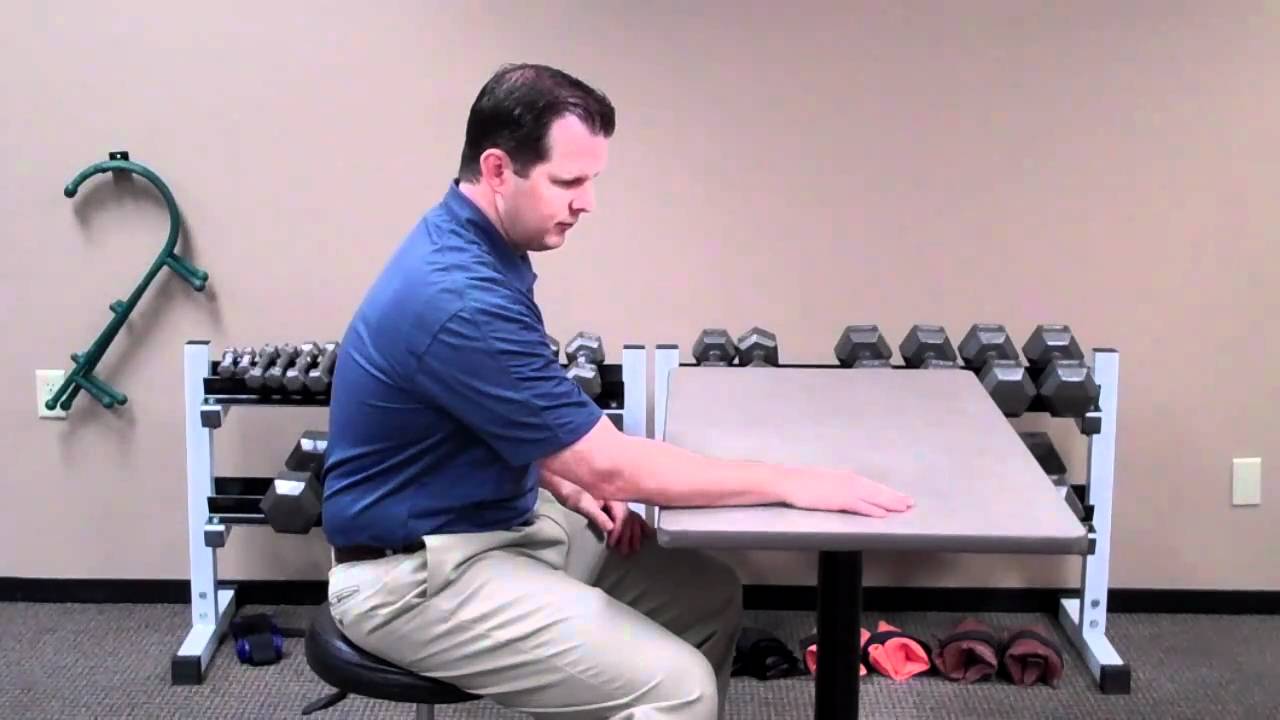
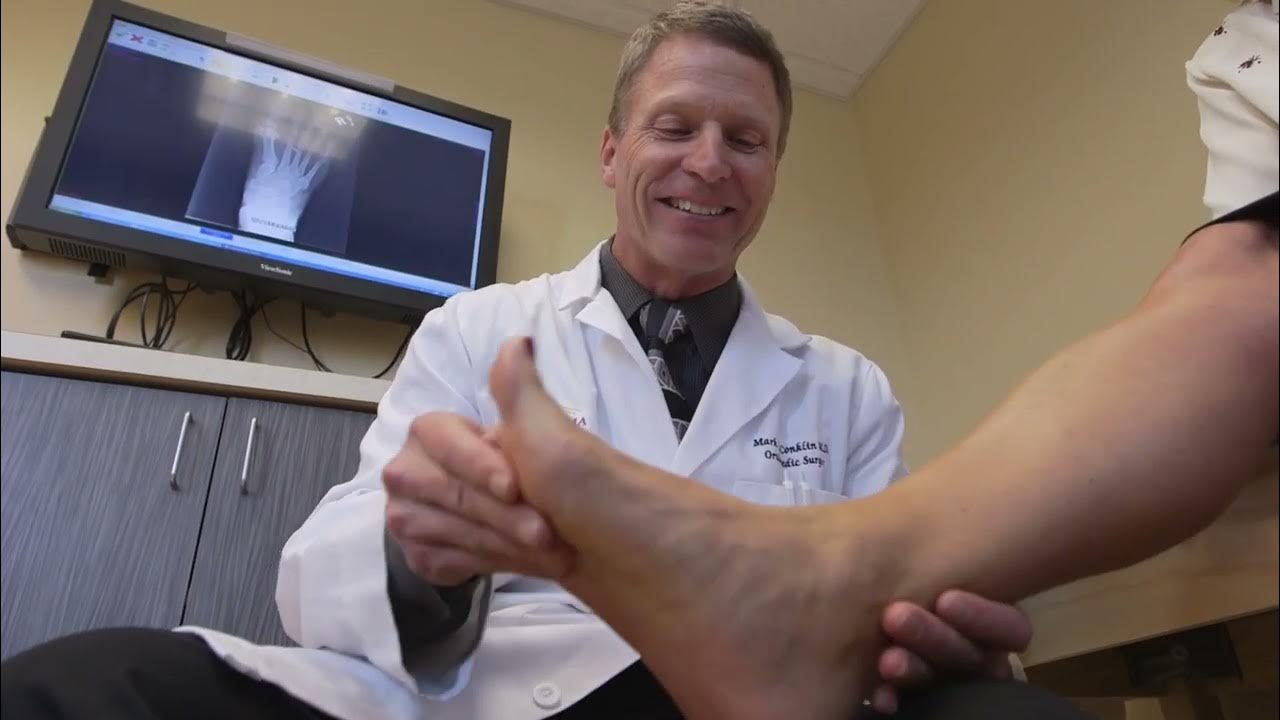
Achilles Tendon Rupture Post-Operative Rehabilitation
Specialized rehabilitation focused on restoring ankle mobility, calf strength, balance, and gait mechanics following Achilles tendon repair. Progressive loading and functional training are used to support a safe and effective return to walking, work, and athletic activity.
Achilles tendon repair post-operative rehabilitation is guided by clinical practice guidelines (CPGs) to ensure safe healing and optimal recovery. Early phases focus on protecting the repaired tendon, managing pain and swelling, and gradually restoring ankle range of motion within prescribed limits. As healing progresses, therapy emphasizes progressive strengthening of the calf and surrounding muscles, gait training, balance, and functional mobility. Later phases incorporate sport- or activity-specific training, with progression guided by tendon healing, patient tolerance, and objective functional milestones to support a safe return to daily activities, work, or athletic performance while minimizing the risk of re-rupture.
Pelvic Floor Physical Therapy
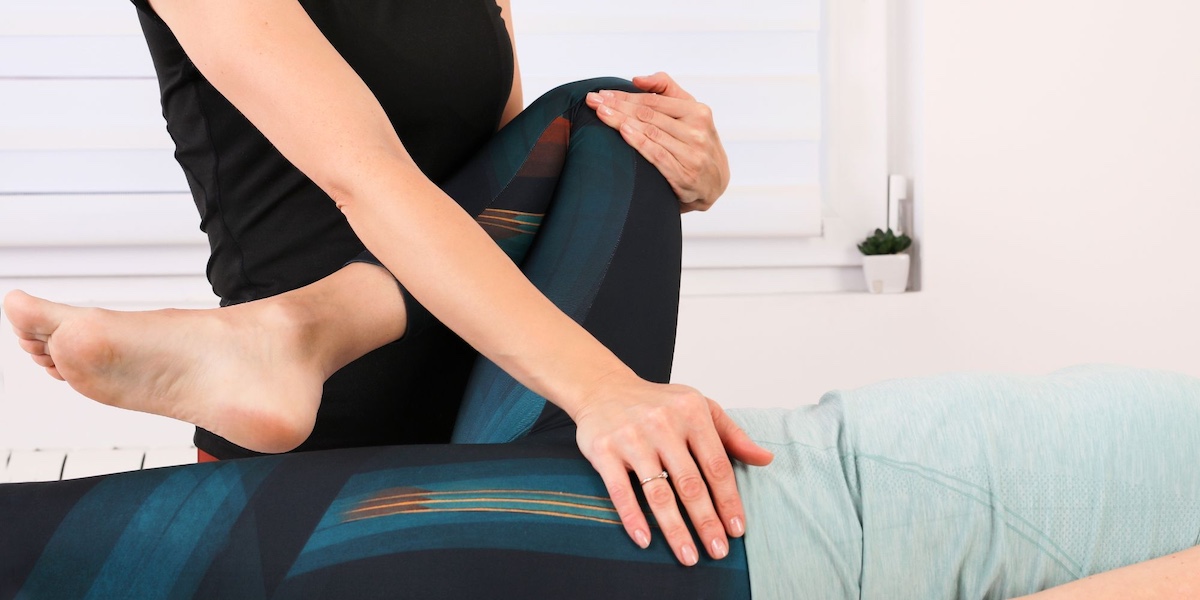
Pelvic floor physical therapy focuses on improving the strength, coordination, and function of the pelvic muscles that support bladder, bowel, and reproductive health. Our discreet and compassionate care is designed to help patients manage symptoms and restore confidence.
Pelvic floor therapy may help with:
- Pelvic pain and pelvic muscle dysfunction
- Urinary or bowel incontinence
- Pregnancy-related and postpartum recovery
- Core weakness and stability issues
- Pain with sitting, movement, or daily activities
Treatment includes individualized exercises, manual techniques, posture and breathing training, and education to promote long-term pelvic health and functional improvement.
Vestibular Rehabilitation & Balance Therapy
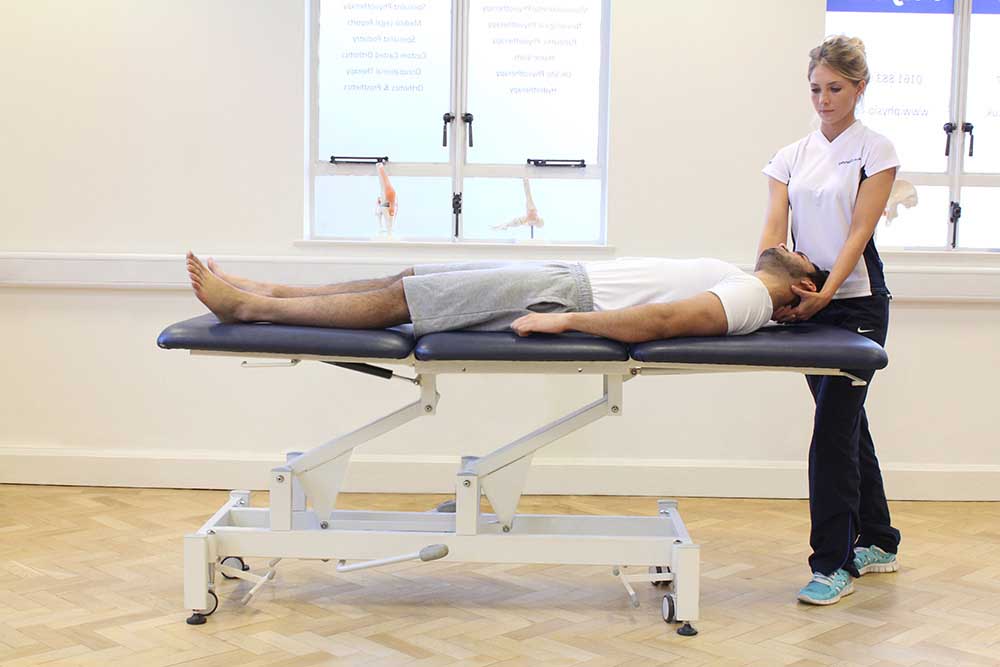
Vestibular and balance therapy is designed for individuals experiencing dizziness, vertigo, imbalance, or difficulty with coordination. These symptoms can significantly impact daily activities and increase the risk of falls if left untreate, making balance therapy in Brooklyn an essential part of recovery for many patients.
Our vestibular rehabilitation programs focus on:
- Dizziness and vertigo (including BPPV)
- Balance impairments and unsteadiness
- Inner ear and vestibular disorders
- Post-concussion or neurological-related balance issues
- Fall prevention and gait stability
Treatment includes specialized exercises to improve balance, coordination, gaze stability, and overall movement confidence, helping patients return to safe and independent mobility.
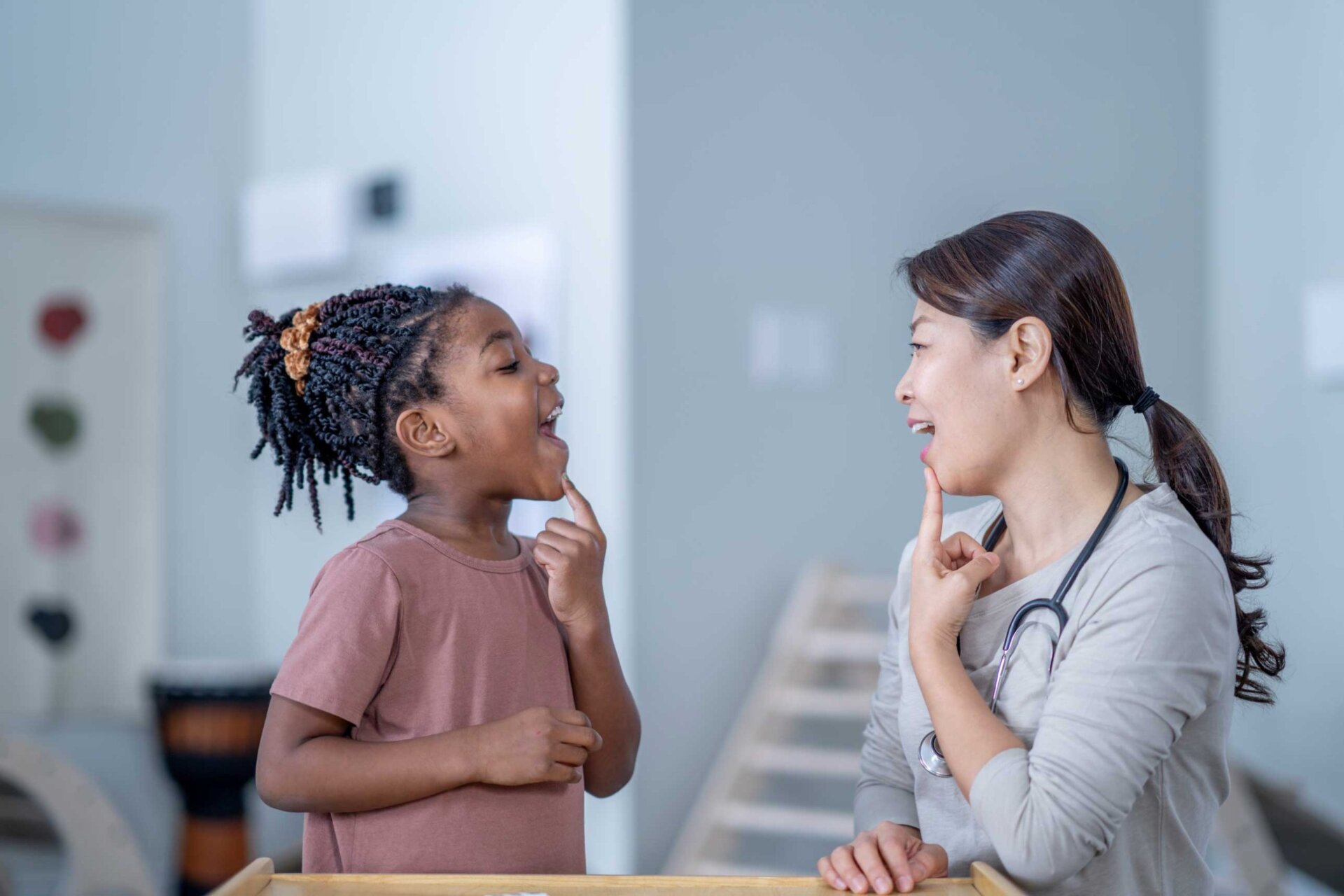
Speech Therapy
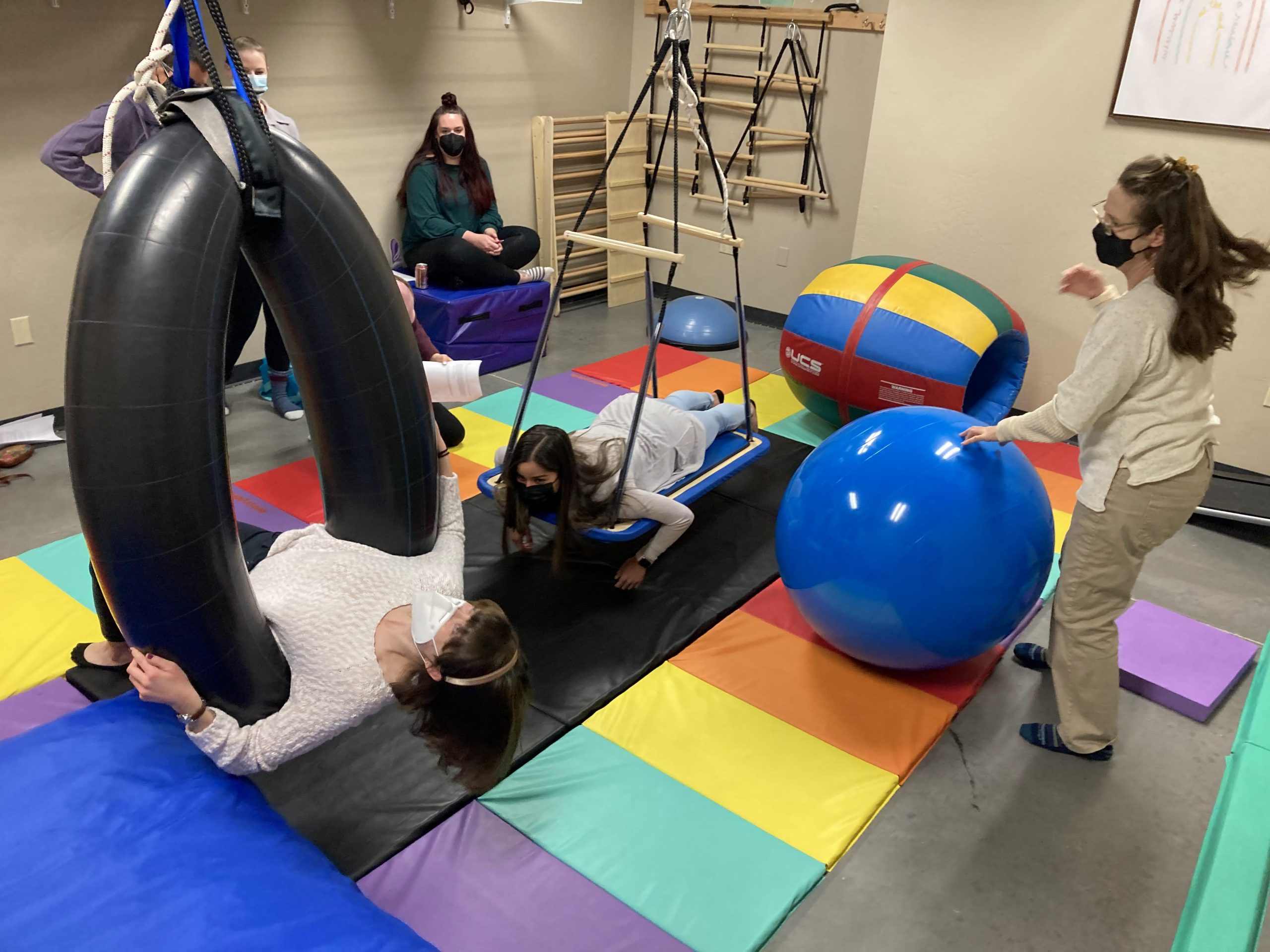
Occupational Therapy
Remote Therapeutic Monitoring (RTM)
At Polaris Physical Therapy PLLC, we use Remote Therapeutic Monitoring (RTM) to extend your care beyond the clinic and support your recovery between visits. RTM allows our therapists to remotely monitor your progress, adherence, and response to your home exercise program, ensuring you receive continued guidance and accountability throughout your rehabilitation journey.
Through secure digital tools, RTM enables us to track your therapeutic exercises, symptom changes, and functional performance in real time. This ongoing monitoring helps us make timely adjustments to your plan of care, address concerns early, and keep your recovery progressing safely and efficiently.
Benefits of Remote Therapeutic Monitoring include:
- Increased accountability and motivation between visits
- Personalized exercise progression based on real-time feedback
- Early identification of setbacks or symptom changes
- Improved communication between patient and therapist
- Enhanced continuity of care outside the clinic
RTM is especially beneficial for patients with busy schedules, post-operative recovery needs, chronic conditions, or those seeking flexible care options. By combining in-clinic expertise with remote monitoring, we provide a more connected, responsive, and results-driven therapy experience.

At Polaris Physical Therapy PLLC, RTM is one more way we prioritize patient-centered care—helping you stay engaged, supported, and confident throughout your recovery, wherever you are.